
Flying with a Baby on a Budget: The Complete Guide
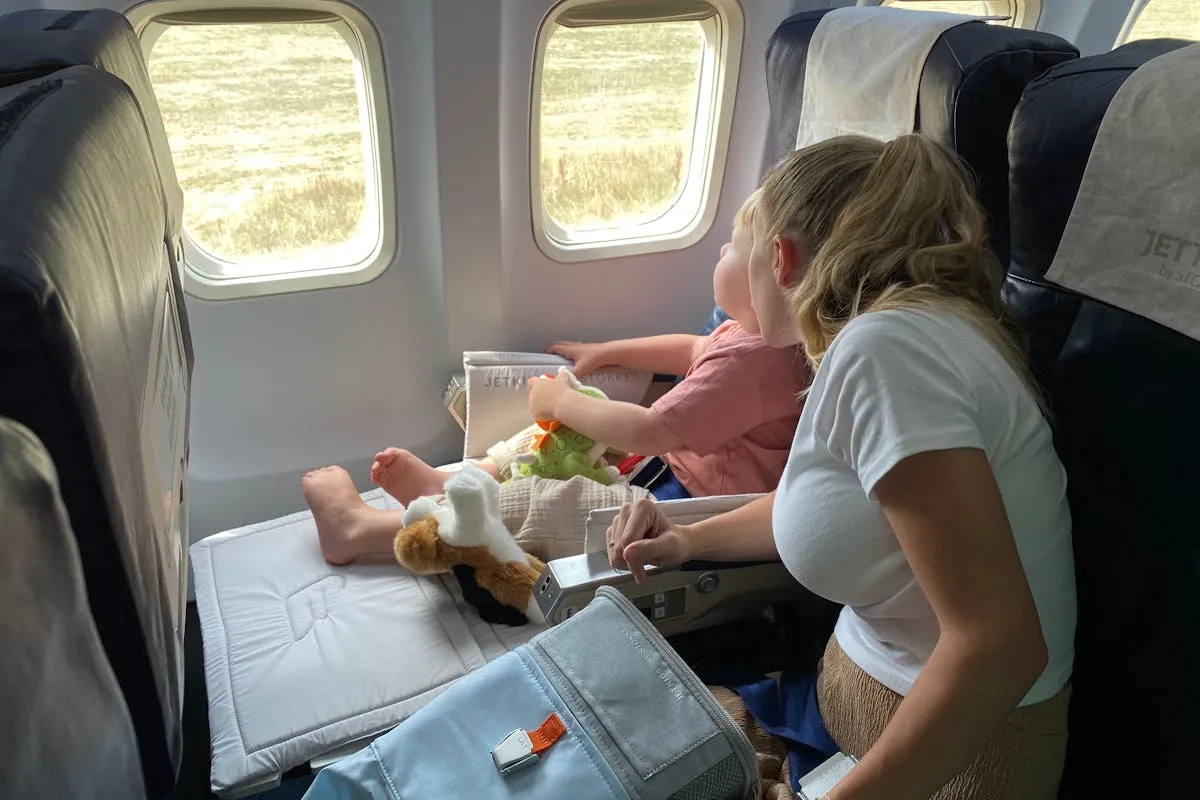
Taking your first flight with a baby can feel overwhelming. Between the gear, the logistics, and the fear of a mid-flight meltdown, it's tempting to just stay home. But here's the truth: flying with a baby is absolutely doable, and it doesn't have to drain your savings. With a little planning, you can make it smooth, affordable, and maybe even enjoyable.
Lap Infant Policies: Your Biggest Money Saver
Most airlines allow children under 2 years old to fly as "lap infants" — meaning they sit on your lap and don't need their own seat. On domestic flights within the US and most of Latin America, this is completely free. You read that right: your baby flies for nothing.
International flights are a different story. Most carriers charge a lap infant fee, typically 10% of the adult fare. That's still a massive discount compared to a full ticket. Some budget airlines in Europe and Asia charge a flat fee ranging from $20 to $50 per segment.
One important detail: the age cutoff is strict. Your child must be under 2 on the date of travel, not the date of booking. If your baby turns 2 mid-trip, you'll need to buy a return ticket at full price for the way back. Plan accordingly.
Best Airlines for Families
Not all airlines treat families equally. Some go out of their way to make flying with little ones easier.
Airlines like JetBlue, Southwest, and Turkish Airlines are consistently praised by traveling parents. Southwest offers open seating and lets families pre-board. JetBlue provides extra legroom options at reasonable prices. On long-haul flights, carriers like Emirates, Singapore Airlines, and Turkish Airlines offer bassinet seats — small beds that attach to the bulkhead wall, perfect for babies who'll sleep through the flight.
Pre-boarding is a huge perk. Most full-service airlines let families with small children board early so you can get settled without the stress of a packed aisle. Budget carriers vary on this, so check before you book.
When to Book for the Best Deals
Timing matters just as much when you're flying with a baby. The same rules that apply to cheap flights in general work even better when you're planning a family trip.
Book midweek flights — Tuesdays and Wednesdays are consistently the cheapest days to fly. Avoid school holidays and peak travel weeks like the plague. January, February, and early September often offer the lowest fares.
For domestic flights, booking 6 to 8 weeks in advance tends to hit the sweet spot. For international trips, aim for 3 to 4 months ahead. Use a tool like SkyCompass to set price alerts so you can jump on a deal when it appears.
One pro tip: red-eye flights and early morning departures are often cheaper and tend to work well with babies who sleep easily in transit.
Hidden Costs to Avoid
Baby gear can rack up fees if you're not careful, but most airlines offer generous exceptions for families.
Strollers and car seats almost always fly free. You can gate-check your stroller at no cost on virtually every airline — it'll be waiting for you at the jet bridge when you land. Car seats can be checked at the counter or gate-checked as well, also free.
Where families get caught is in seat selection fees. If you want to guarantee sitting together, some airlines charge for seat assignments. One workaround: check in the moment online check-in opens (usually 24 hours before departure) and select seats then. Most airlines will also accommodate families with infants at the gate if seats weren't pre-assigned.
Watch out for in-flight extras too. Bringing your own snacks, entertainment, and a refillable water bottle (filled after security) saves you from overpriced cabin purchases.
Packing Smart: Less Is More
The temptation is to bring everything. Resist it. Babies need less than you think for a flight.
Essentials to bring in your carry-on:
- Diapers (one per hour of travel, plus extras)
- Wipes and a portable changing pad
- One change of clothes for baby and one for you (blowouts happen)
- A lightweight blanket
- Pacifiers or a bottle for takeoff and landing
- A few small, quiet toys or books
What you can skip:
- Full-size stroller (use a lightweight umbrella stroller or baby carrier instead)
- Excessive toys (babies are fascinated by cups, straws, and the safety card)
- More than one day's worth of diapers in your carry-on — pack the rest in checked luggage
A baby carrier like an Ergobaby or a simple wrap is worth its weight in gold at the airport. Hands-free navigation through security and the terminal makes everything easier.
Flight Day: Practical Tips That Actually Work
The number one hack for flying with babies: feed during takeoff and landing. Breastfeeding, bottle-feeding, or offering a pacifier helps equalize ear pressure, which is the main cause of in-flight crying in babies. Start feeding just as the plane begins its descent, not when the seatbelt sign comes on.
Try to time flights around your baby's nap schedule. A flight that overlaps with nap time dramatically increases your chances of a peaceful ride. If that's not possible, don't stress — babies are more adaptable than we give them credit for.
Bring a change of clothes in a ziplock bag that's easy to reach. Dress your baby in layers so you can adjust to cabin temperature. And don't be afraid to walk the aisle if your baby gets fussy — movement usually calms them down.
One more thing: be kind to yourself. Other passengers have headphones. Your baby's comfort and your sanity matter more than a stranger's mild inconvenience.
Your Next Family Adventure Starts Here
Flying with a baby on a budget isn't just possible — thousands of families do it every week. The combination of lap infant policies, free gear check, and smart booking strategies means you can take that trip without the financial stress.
Start by searching for family-friendly deals on SkyCompass. Set up price alerts for your destination, be flexible with your dates, and book when the price is right. Your baby won't remember the flight, but you'll remember the trip — and that's what matters.